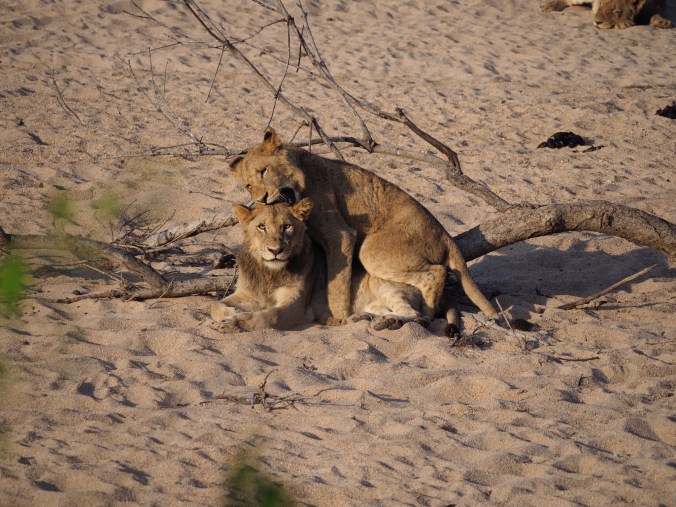
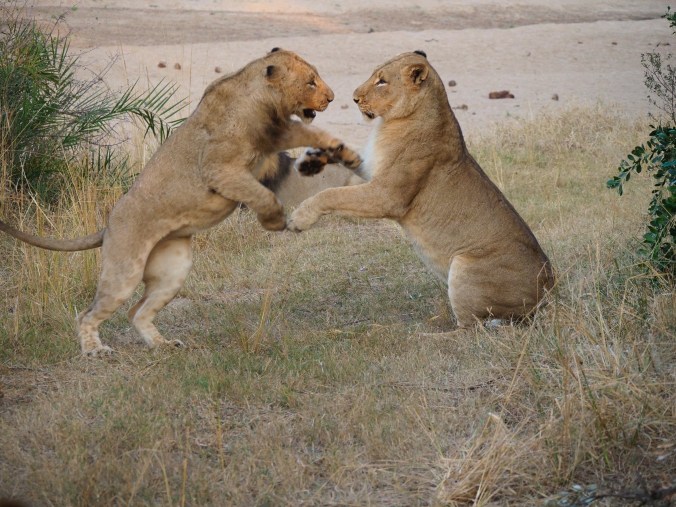
Vumbura in the Okavango Delta

August 8-10

Sadly, we were happy to be leaving Jack’s Camp behind. The staff was very friendly and helpful, although our guide Harold, didn’t seem to like talking too much. Not a good trait in a guide. But we were going to Vumbura, a much more luxurious camp at the edge of the Okavango Delta.

The delta is an inland swamp formed when several major rivers got trapped by seismic action. The flood plain originally extended southeast to the Kalahari Desert, where Jack’s is, forming a giant lake. When the plates shifted they formed a barrier that prevented the water from reaching the Kalahari, making it a desert. Since the water flow is highly seasonal, the resulting water dries significantly in the dry winter, leaving a huge fertile area with waterways and plains. That’s where Vumbura lies.

Bush travel, August 2017

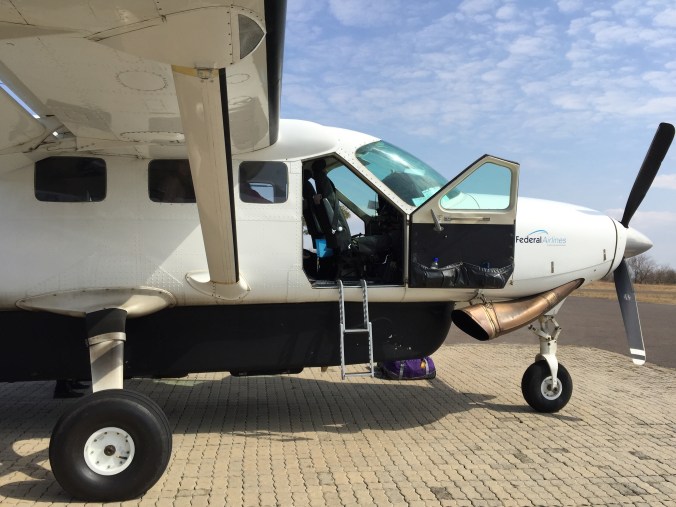
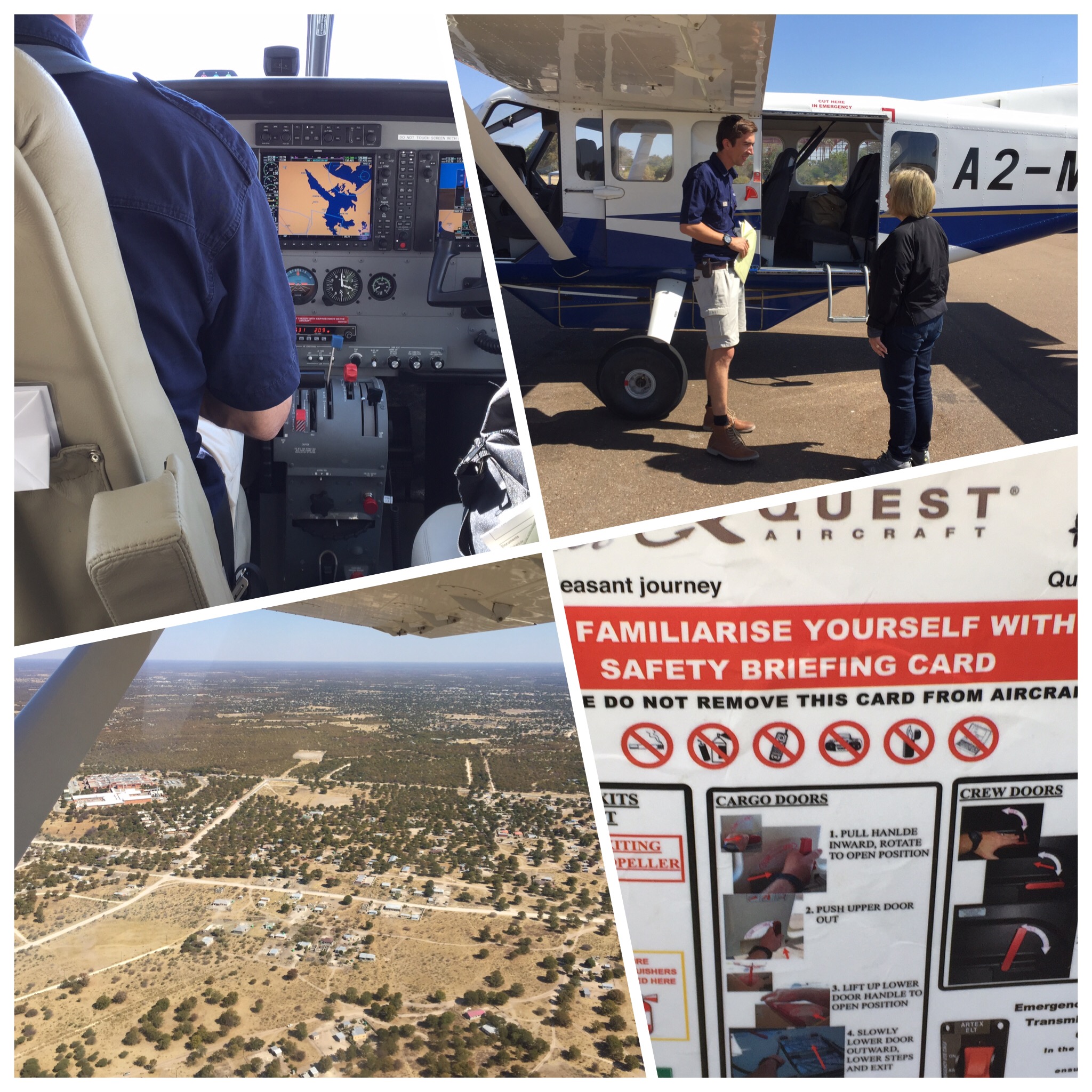
Traveling to all of these bush camps is interesting. First you drive from your camp to the airstrip, which is typically 30-40 minutes away, using the same vehicles as the game drives, on the same rutted, dusty roads. Then you climb into a small plane, which carries anywhere from four to ten people. The flights are under an hour, some as short as 25 minutes. And depending on what else the pilot needs to accomplish that day, you may make one or more stops along the way to pickup or drop off other passengers.

I think we made at least ten take-offs and landings to visit our four camps. We were the only passengers on about half of the hops. Every plane was very noisy and “a little rough” (1).

Vumbura in the delta, August 2017

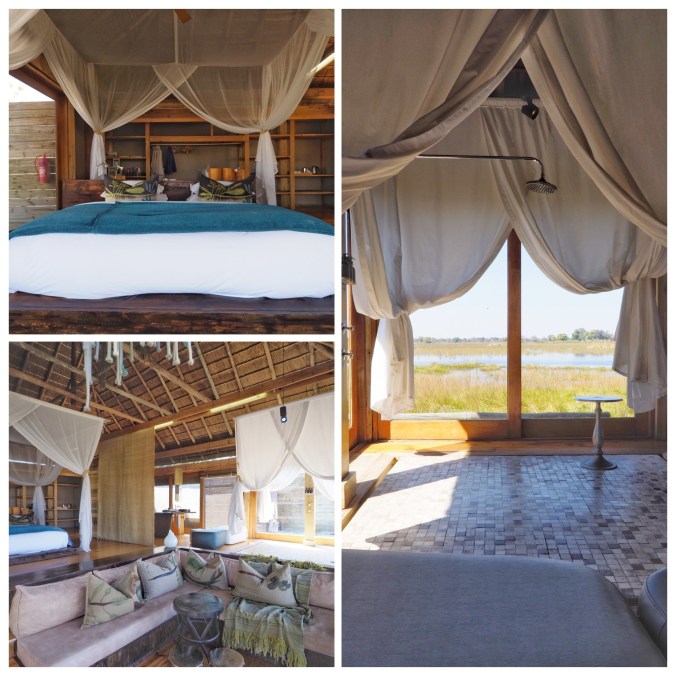
Anyway, Vumbura Plains camp was a significant uptick from Jack’s. The tent was huge and light, with three sides being fully open (2) during the day. And electric lights at night! Normally, we would have been unhappy that the lights were so dim, but after packing by candlelight, this was heaven. The tent also had outlets to charges our batteries, a huge closet area, and a really cool shower. There was a huge deck, where I had a massage.

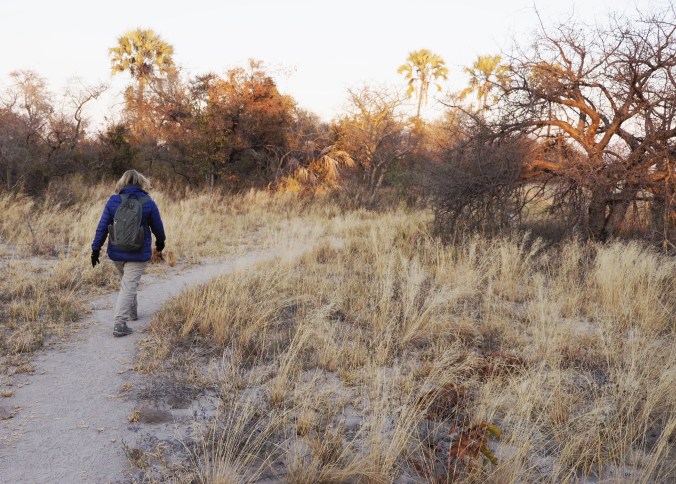
The only similarity to Jack’s was our long walk from the tent to the main area, and the lack of heat other than bush babies.


Is that an elephant in your backyard?, August 2017

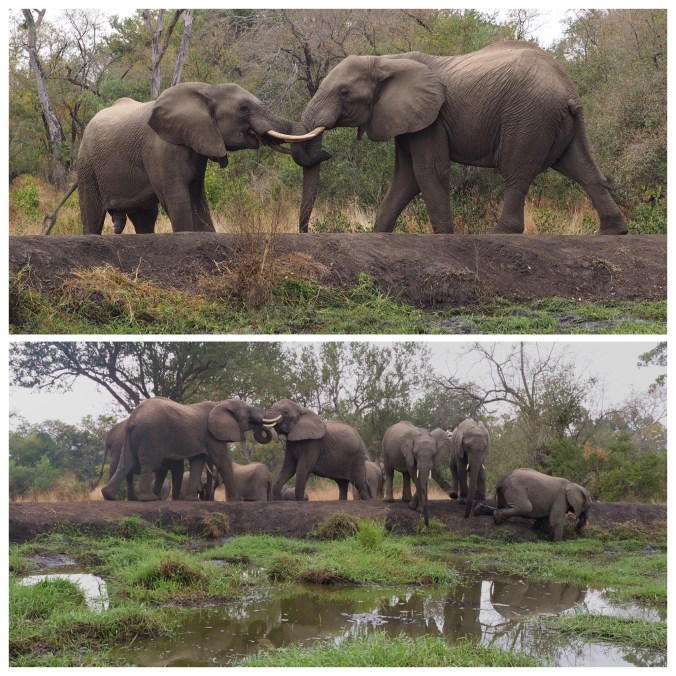
Vumbura also had abundant wildlife. While we were unpacking, an elephant was grazing next to our tent.

———–
(1) Every pilot, before each takeoff, gave a safety briefing (“there’s the door and fire extinguisher”) and apologized that the flight was going to be “a little rough”.

(2) Fully open but screened. There was plenty of natural light during the day. 
Roughing it

August 6-8

Our travel yesterday was far in distance and far in style. We went about 1,300 miles from Cape Town to Jack’s Camp. We also went from state-of-the-art luxury to primitive shabby elegance.

First the trip: Nick picked us up at the hotel at 8:00 am and deposited us at the airport 15 minutes later . Our flight to Maun, Botswana was on time at 10:15. Maun is basically a transit point for safari travelers. Scheduled flights come in from big cities, and small craft go out to the camps. In our case, we somehow got assigned a pilot and plane from a different carrier, and so Johannes flew Sally and me in his single engine plane about 100 miles to Jack’s (4). We were met at the dirt landing strip by Harold, our guide there.

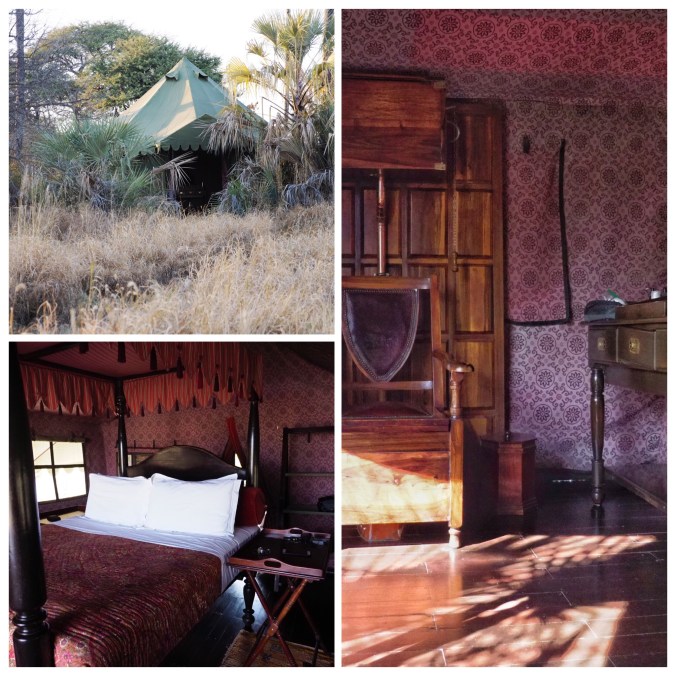
Jack’s is deliberately designed to emulate the safari experience from the early 20th century. You stay in real tents. They have hot and cold water and a flush toilet, but that’s about it. No electricity – light comes from paraffin lanterns or battery powered lamps, both of which are pretty dim. No heat – we found two bush babies (1) under our heavy quilt. No Internet or cell service, of course. Charging is done at the charging station (2) in the meal tent from 8-5 each day.


Little tent in the bush, August 2017

The overall decorating style is what someone imagined an English safari camp would have looked like 100 years ago. Campaign chairs, wooden toilet contraption, big four-poster canopied bed, etc.


Dinner at Jack’s Camp, August 2017

The dinner is eaten family style around a big table, and just like when you feed your family, you get what mamma cooked (3). Sally and I agree that the food is top rated.

The camps in Northern Botswana are much warmer than Singita was. Where Singita was about as far from the equator as Savannah, Jack’s is more like Miami. So it’s pretty warm in the sun during he day. And since we are in the middle of a desert, it rapidly cools down in the evening and at night (hence the bush babies).
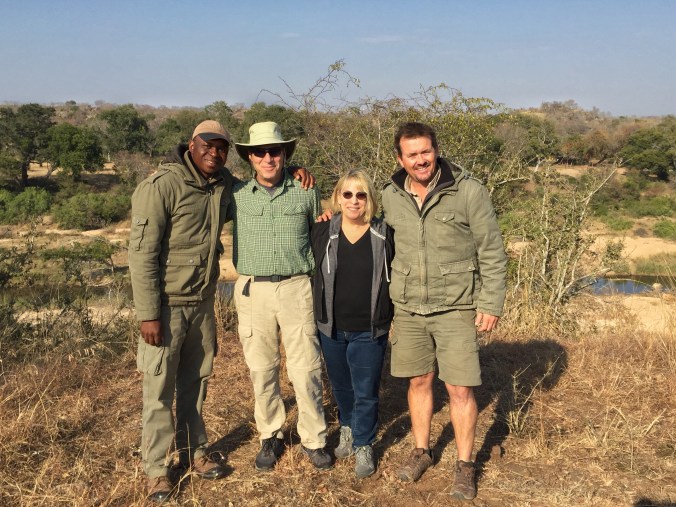

Sally heads off on safari, August 2017

We arrived just in time for afternoon tea, so we threw together our safari kit and headed over (7). After tea we went immediately out to look for some brown hyenas; we found one. As this is the desert, one does not come here to see abundant wildlife – and after Singita’s bounty, it was only mildly interesting. Also because this is desert, the dust is pervasive.

As I mentioned, dinner at the big table was tasty. A staff member escorted us to our tent afterwards (5), and then we had to unpack, prepare for the morning and get ready for bed in near darkness. The five paraffin lanterns and four battery lamps along with mini-flashlights just didn’t cut it.

Our wake-up call (6) will be at 6:30 tomorrow, an hour later than Singita.

———————–
(1) Hot water bottles. Big ones.
(2) Lots of power strips on a table.
(3) Not necessarily my family, where there seem to be as many food choices as there are people.
(4) Not to criticize since he got us there safely, but he kept a map balanced on one knee and what looked like the plane’s EZ-Operation Guide on the other.
(5) This is the same as Singita – guests are not allowed outside alone after dark.
(6) A staffer came up to our tent and called us; there’s no phone in the tent, of course.

(7) This needed scheduling, as it was a five minute walk.  

Jack’s Camp

August 6-8

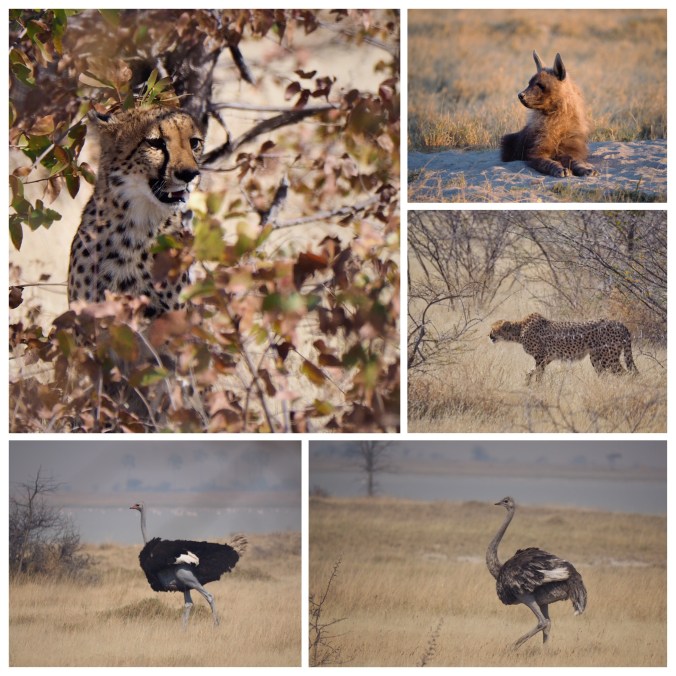
Singita was wildlife paradise; most of our game drives wound up going longer than planned because we kept finding more stuff to look at. Jack’s Camp is in the Kalahari Desert, and we are here during the dry season, so the wildlife is pretty sparse. The first afternoon we spent a couple of hours to find a hyena. It was cute. Over the course of the next two days, we did manage to get a few interesting sightings.


Cheetah, hyena, and Mr. & Mrs. Ostrich, August 2017

The second morning we took a ride into the salt pans, which are large expanses of open land where the water has dried leaving behind salty soil. While they look white from the distance or air, they are just light colored soil. Rather than ride in the game drive vehicles, we took an ATV or quad bike. It was fun. You have to wear these scarves as turban/face masks to protect yourself from the sand and dust, just like a real desert dweller on a motorized bike.


Sally learns geology from Harold, August 2017


Bushmen, August 2017

In the afternoon of the second day, we went for a walk with a group of Bushmen. Bushmen are the original settlers of Southern Africa, and have traditionally been hunter/gatherers. Since Botswana has outlawed all hunting, and because they are gradually moving into fixed villages, their way of life and culture is inevitably changing. Jack’s has hired two dozen of them to live near the camp and give us this walk. It was fairly interesting. About a dozen – men, woman and two babies – led us into the bush. Along the way they explained traditional medications they extract from plants and even elephant dung, firemaking, clothing, etc. They played a game analogous to rock/paper/scissors around a fire they built rubbing two sticks together.

These people were real bushmen. But they are employed by Jack’s to put on a little show for us demonstrating their traditional way of life. They actually live in a village 700 km away, and spend several weeks at the camp as part of a rotation.


Meerkat scout, August 2017

The third morning was probably the highlight of the stop – we rode out to watch the meerkats wake up. Meerkats are members of the mongoose family found in the deserts of Southern Africa. They live in burrows in a group called a “mob” (1). Every morning, the mob sends a lucky scout out to see if there are any lions or hyenas around. If they don’t hear back from him, they suspect bad news. Since we aren’t lions or hyenas, the scout reported back and a dozen or so came out of the burrows and stood in front of Sally looking around for a while.


Sally and the Meerkats, August 2017

From here, it was back to Jack’s, a quick packing and then off to the airstrip to head for Vumbura.

————–
(1) They exhibited no mob-like behavior while we were there.

Bye, for a while

Just a reminder … we leave Cape Town this morning and head up to Botswana for six nights in three different camps. I don’t expect to have any internet connectivity for at least the next four days, so this blog will go silent until then. By that time, I should have a couple of thousand more pictures to go through 😉.

Later …

Cape of Good Hope

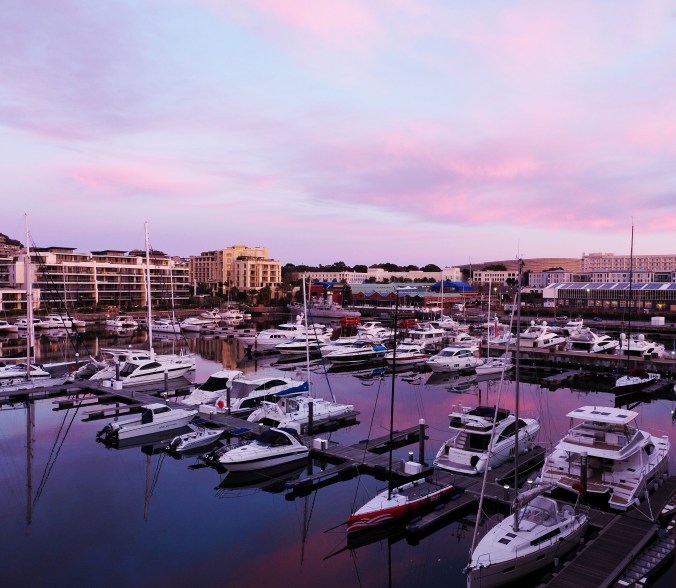
Today, our last day in Cape Town, started with a beautiful sunrise reflected in the clouds and the marina outside our hotel room.


Sunrise at Harborside, August

Our plan for the day was a was a drive down south from the city along the Cape Peninsula, which is largely covered by the Table Mountain National Park. There are a number of upscale suburban communities just south of Cape Town, with expensive high-rise apartments lining the Atlantic Coast. It reminded me of the south Florida shoreline.

There are a number of other communities scattered along the peninsula, ranging from off-the-grid towns to slums to former fishing villages.

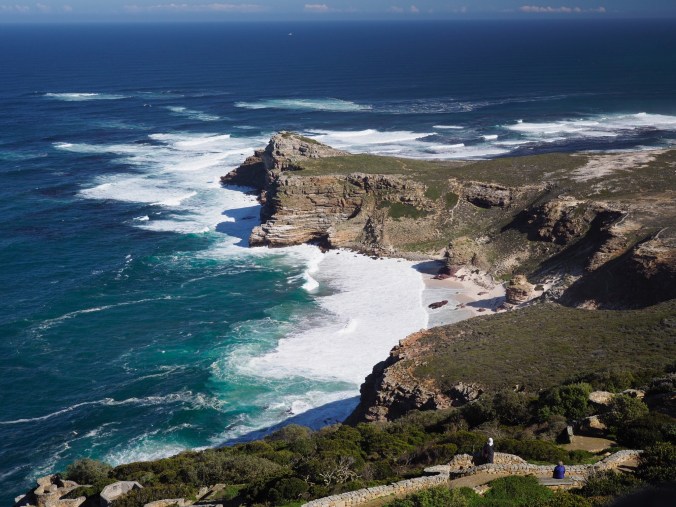
The Cape of Good Hope is not the southern most point in Africa (as many believe), nor is it the point at which the Atlantic and Indian Oceans meet (as many others believe). The former is a fixed point about 100 miles southeast of Good Hope, while the latter drifts with the currents and gets as far west at Cape Point, just half a mile around the bend from Good Hope. But Good Hope is the most southwestern point of Africa.


Cape of Good Hope from the lighthouse (Sally in purple jacket), August 2017

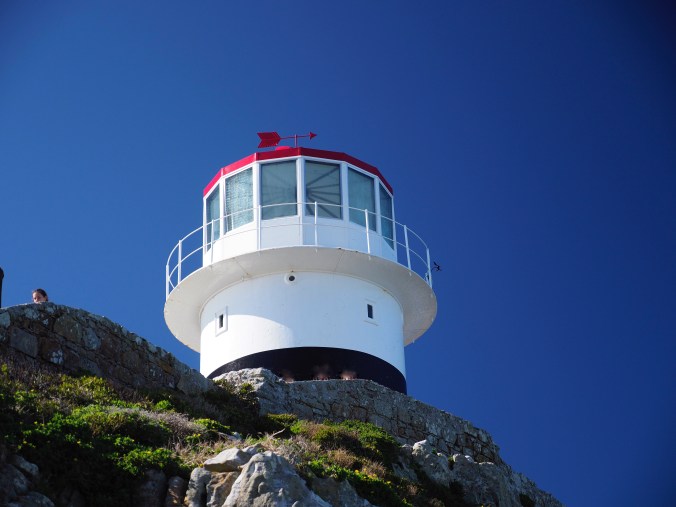
Nonetheless, the Cape of Good Hope is a well known landmark and quite impressive. There is a lighthouse on the hill above both Good Hope and Cape Point, which is cute but actually no longer used.


Unused light at Cape Point, August 2017

We took the cable-driven funicular from the parking lot and I walked the remaining way to the lighthouse itself.


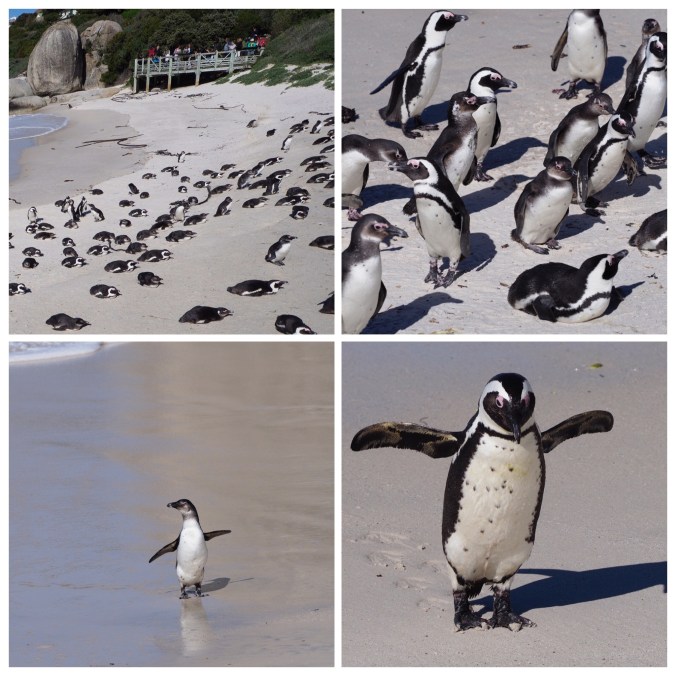
Penguins in Simon’s Town, August 2017

On the way back north, we made three stops. The first was a penguin colony at Boulders Beach in Simon’s Town. They are cute. The most interesting fact about this colony is that it’s only existed here for 30 years, and no one seems to know why they came or where they came from.

We had lunch nearby, and then stopped at the Kirstenbosch Gardens, a large arboretum in the CapeTown suburbs. While the Gardens were nice, it’s still winter here and nothing will be in bloom for a month or more.

Now we’re packing for our trip to Botswana tomorrow. First stop: Jack’s Camp.

Cape Town City

Today was our “city tour” of Cape Town, which was either a half day or full day tour depending on which document you believed. The truth was we got picked up at 9:30, deposited for lunch at 1:00, and our guide hung around until we finished around 2:45 to take us back to the hotel.

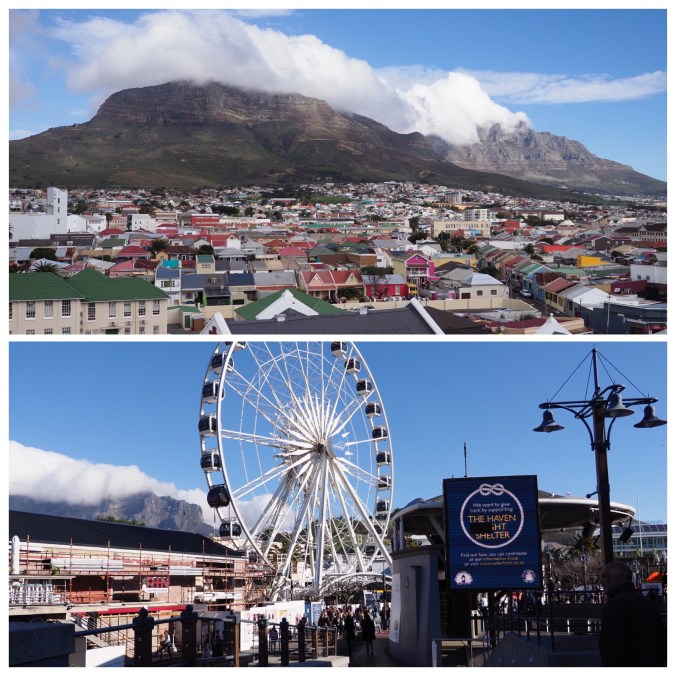
Table Mountain and Victoria & Alfred Harbourside, August 2017

In between we saw the sights of the city. Not terribly exciting, but interesting. And you learn a bit every day. For instance, we learned that South Africa has two capitals, Pretoria (the administrative seat) and Cape Town (the legislative seat). The President’s residence, a White House, is located here.
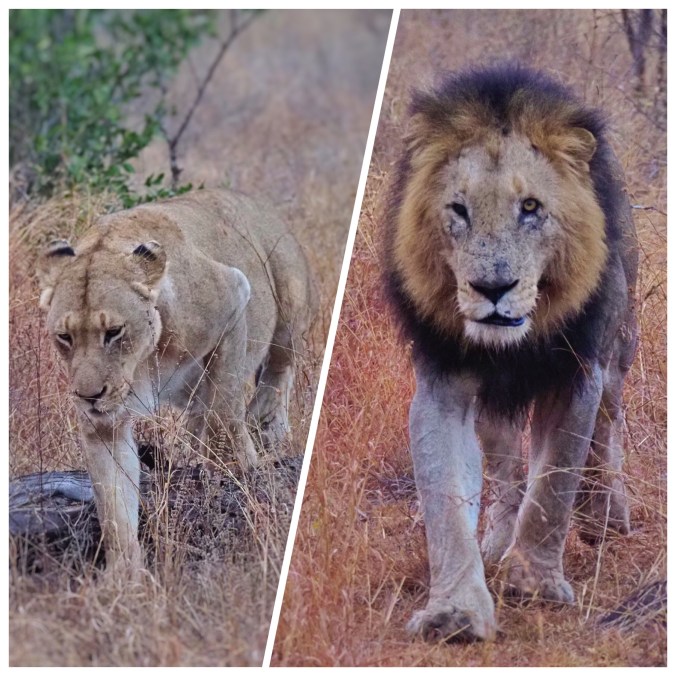

Muslim section, August 2017

We learned that there is a colorful Muslim section that has been intact for a couple of hundred years. The Muslim community, people whose ancestry was Indonesia and Malaysia, were brought to South Africa starting in the mid-17th century as slaves by the Dutch settlers. Slavery was ultimately abolished in the first half of the 19th century, before our Civil War. This group is known as “colored”, a term used to describe people who are neither white (of European decent) or black (of African decent). Under apartheid, colored people had a higher standing than blacks, but were still subject to oppressive rule.


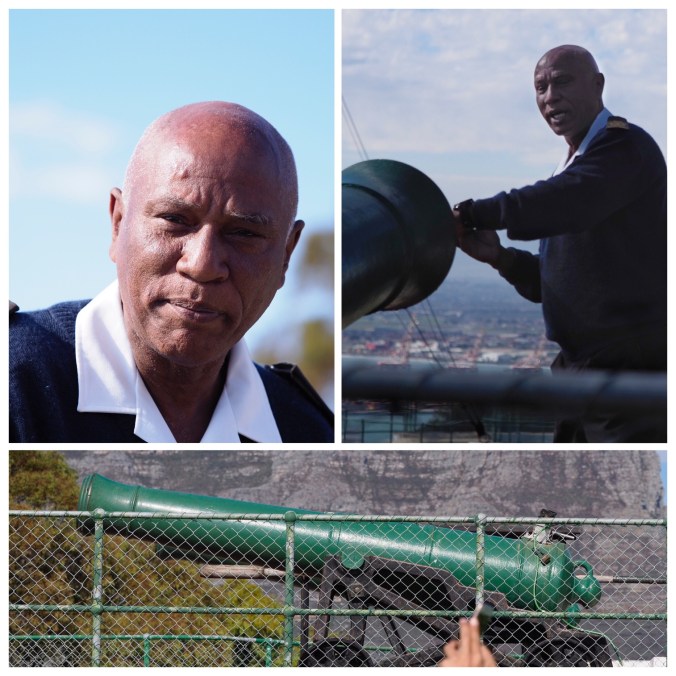
The cannoneir and his cannon, August 2017

We learned that a canon has been fired every day at noon for hundreds of years as a navigation aid to sailors off the Cape, and heard it fired. It is loud. In fact, I never got the picture I was trying to take of the actual shot – smoke and recoil etc. – because the noise knocked my finger off the shutter button.


The Cape Wheel and Ferrymans Tavern at night, August 2017

We learned that, contrary to common wisdom in our country and what we had been told, there are areas in South Africa and specifically in and around Cape Town where it’s perfectly safe to walk around by yourself. Sally and I had long conversations about this before we left, mostly around how much, if any, jewelry she should wear, and whether I should wear a good watch or a Timex. We compromised on good watches, wedding bands and nothing else. But the Victoria & Alfred Harborside area is full of shops, shoppers, restaurants, a big Ferris wheel, and lots of people walking around. In fact, there is a huge shopping mall which has jewelry stores, proving the point that people here wear jewelry.

Security is maintained by private security guards employed by businesses who are both visible everywhere, and in plain clothes as well. I walked over for dinner tonight, and it was perfectly fine. Sally and I had already walked over there from the hotel two nights ago, and we walked back from the mall this afternoon.

Tomorrow will be our last day here, and our guide, Nic, is picking us up to drive down the coast towards the Cape of Good Hope. I don’t think we’ll actually go that far, but we shall see.

Sideways

Ed. Note:  this was supposed to be posted yesterday, but I forgot.  

Well, not really sideways. But a very relaxing day and completely different from the last four – the biggest animal we saw was a duck. We woke up late (7:00am), showered and had breakfast in the dining room in our hotel, the Cape Grace here by the waterfront in Cape Town. Our guide Nic picked us up at 9:00am and we headed north to Cape Town’s wine country.

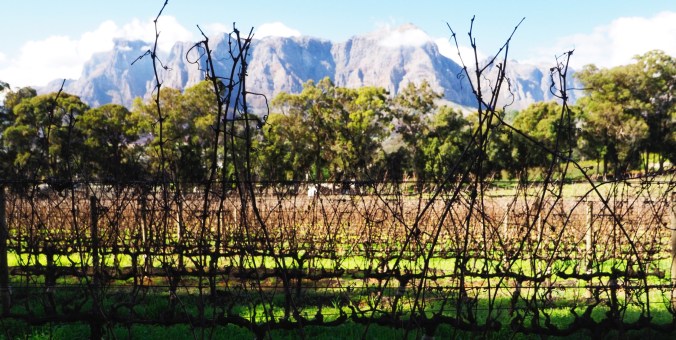
We spent the entire day – excepting 20 minutes or so getting out of, and into, town – in beautiful scenery. Vineyards surrounded by majestic mountains. What could be better?


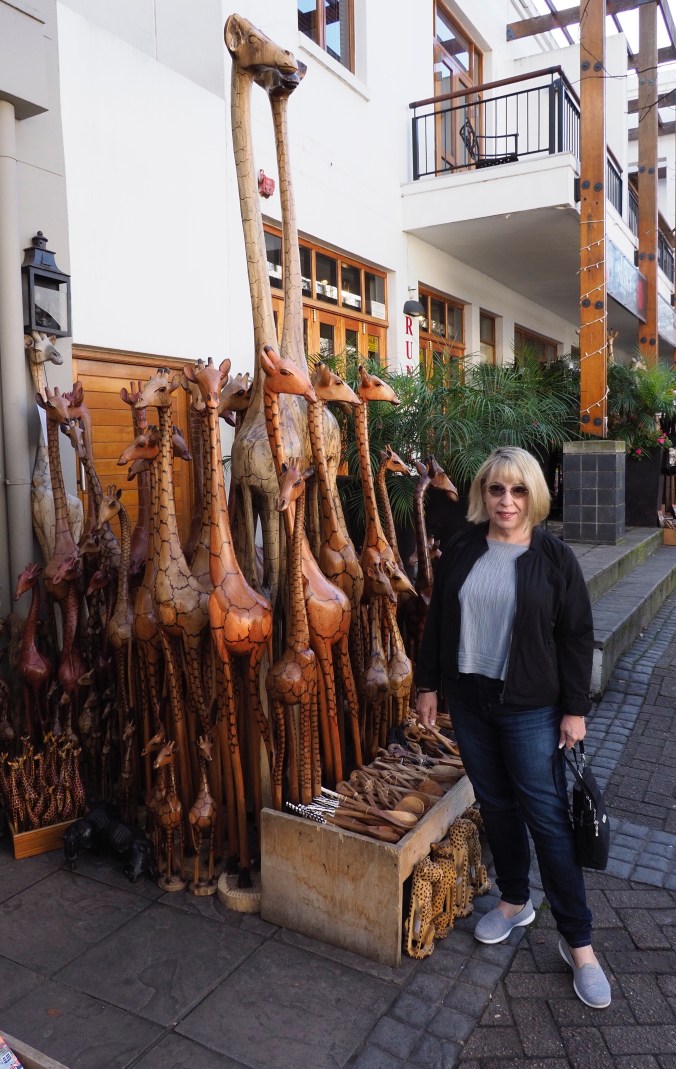
Tourist stuff we didn’t buy, August 2017

We stopped a bit in a small and pretty town just to walk a bit. Nice shops, and some tourist shops, but also a fair amount of street art.


Art gallery, August 2017

After that, it was winery, winery, winery, fancy lunch, winery.


Sally ready to taste wine, August 2017


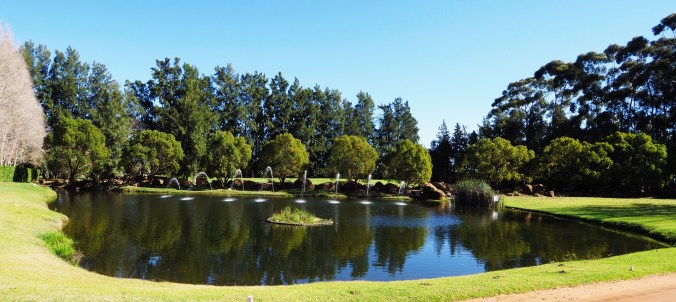
Landscaped garden at a winery, August 2017


Vineyard with mountains, August 2017


Lines, August 2017


View from our lunch stop, August 2017

After the action packed and adventure filled safari days, this was quite a change. And while there was no shortage of opportunities for wine or other beverages at Singita, four wine tastings – each with a selection of wines, and with nice portions – certainly led to a different outlook.

Dinner tonight at the restaurant in the hotel. I expect it to be nice.

Lion playground

This was our last day at Singita, and so our morning drive needed to be shorter than usual so we could leave to catch our 11:30 FedAir flight. While we flew right into Singita’s own airstrip a few yards from the lodge, it was undergoing repaving when we left and so we had to drive about 40 minutes to another airstrip to catch the flight to Nelspruit Kruger Airport, and then a scheduled South African Airways flight to Cape Town. So Mark arranged to be back by 9:00 to give us time to eat and finish packing.


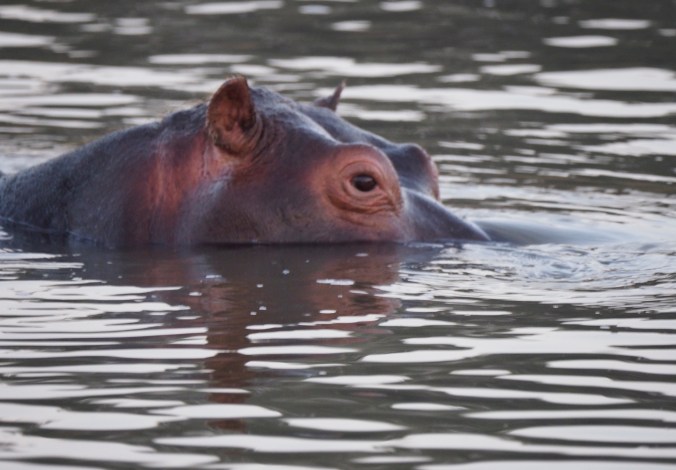
Hippos relaxing in the Sand River, August, 2017

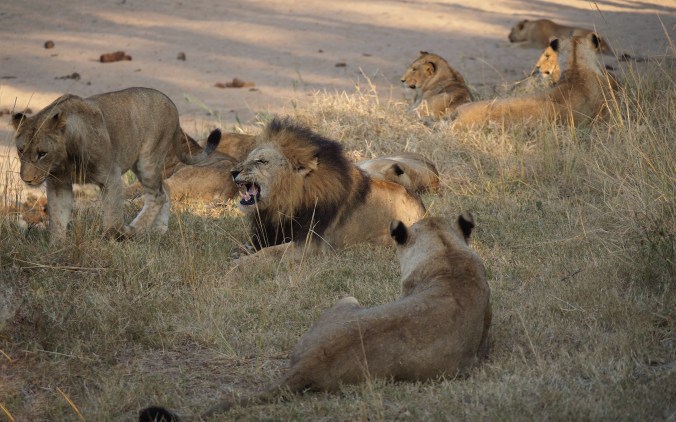
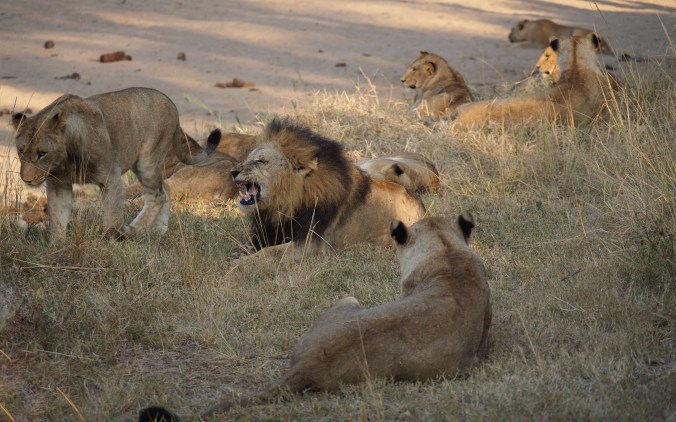
We really only had one animal sighting on the drive, but it was a doozy. The large lion pride was spotted along the river, and one group was watching them from the close side. Mark and Masa (our tracker) decided to cross to the river (we did see the hippos in the river while crossing) and watch from the other side. This was on a short drive from the lodge, especially as Mark rushed the Land Rover at top speed – maybe 20 mph – on the dirt tracks.

We crossed the river and we’re pulling down a track to a lookout point when some young adult lions ran across right in front of us, bringing us to a stop.

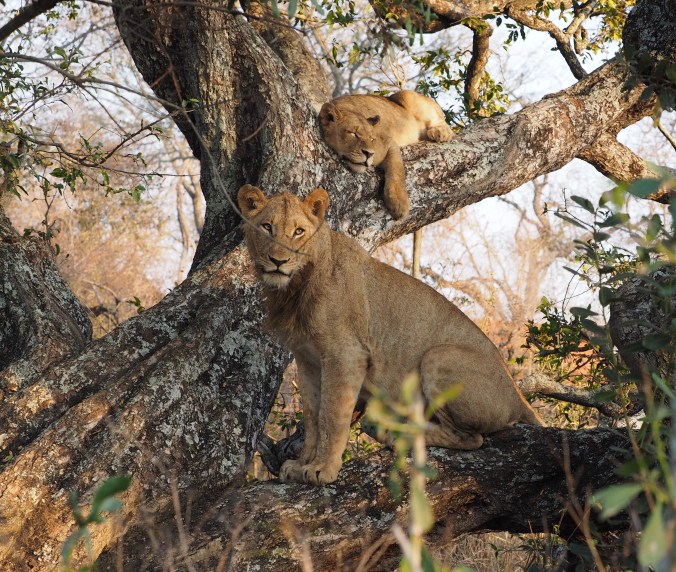
Pretty soon most of the pride had walked up to the track we were on, and were laying about, playing in a tree, or down on the dry river bed ahead of us.


We didn’t expect to see you here, August 2017

We sat for an hour and a half amidst the lions, with them walking around the vehicle close enough to touch, nuzzling and grooming each other and themselves, play fighting, and just sunning themselves.


Cats up a tree, August 2017

One highlight – which Sally and I had never experienced – was hearing the pride start roaring as a group, letting everyone and everything for miles around know they were there and they were strong. I managed to get video clips of this spectacle, which I haven’t been able to review yet.


I am lion, hear me roar, August 2017


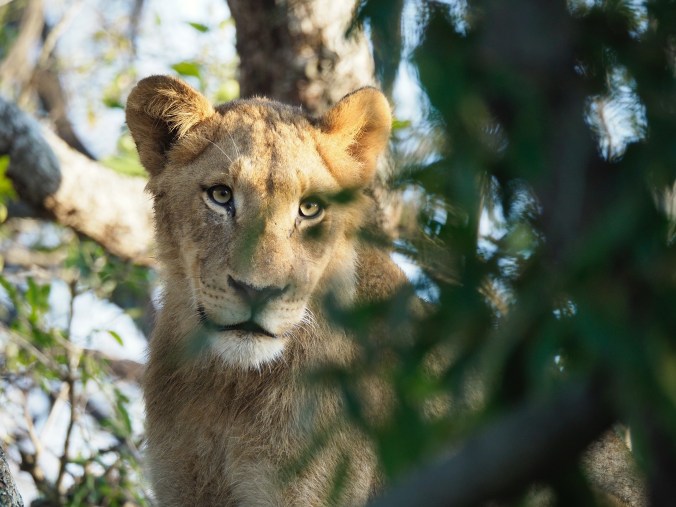
Peering thru the leaves, August 2017


Brothers in the Sand, August 2017


Isn’t that what brothers do?, August 2017

Finally it was time to leave. We dashed back across the river to the lodge, where we packed up and ate breakfast in our room. Then a different guide and tracker drove us to our flight. Our luck held during this drive; we saw a leopard by the side of a pond. Unbelievable!


Masa, The Bassman, Sally and Mark

Breakfast in the room, then a 30 minute drive to an airstrip for a 30 minute, 1-stop flight to catch a scheduled flight to Cape Town.


FedAir, August 2017

Another great safari day at Singita

Today was our second full day of game drives. Unlike yesterday, which was chilly and rainy at times, today started just overcast and much warmer. By mid-morning the Sun started to break through the clouds, although we still did not really see a sunrise.

We saw a lot of our old friends again today. At this point, after a couple of days of following the same animals around, you start to get a sense of their life and daily activities. We started by heading back to the first kill site we had seen early yesterday. On our way, we passed the pride of lions heading away from the site. That meant they had gorged themselves, and there was likely just bones and scraps left.
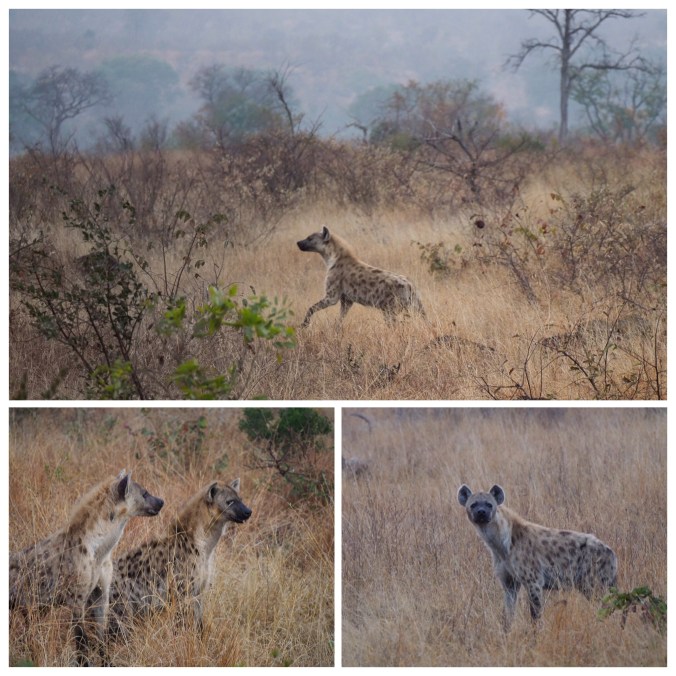
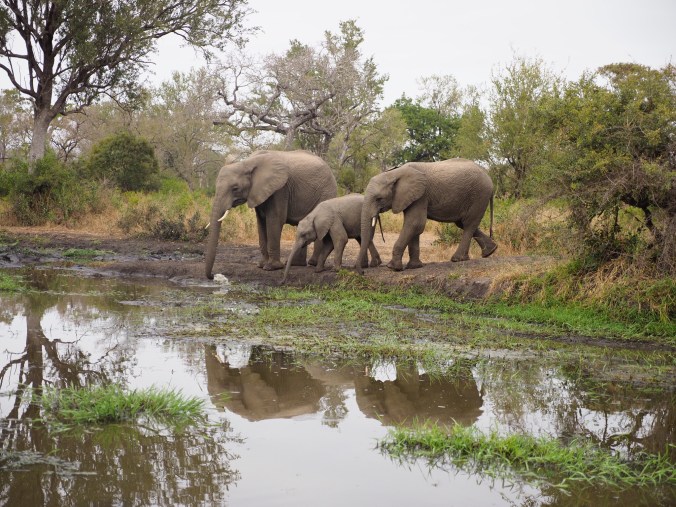

Lioness & Lion, August 2017

When we got there, the hyenas and vultures were scrapping over the bones, each taking a turn. The vultures sat in trees, then swooped down to pick at the remains. The hyenas were very cautious, as they knew the lions had just been there. Sixteen lions against nine hyenas is not a fair fight; the hyenas would be decimated. So they kept sniffing and looking to where the lions had gone, and finally started to chase off the vultures.


Vultures working the site, August 2017


Cautious hyenas, August 2017

After leaving that site, we went looking for the leopard (again). Along the way, we passed the elephant herd and Mark guessed they were headed for a water hole where Singita had an observation blind. So we went there and were rewarded by more than a dozen elephants stopping to drink and play a bit.


Drinking and playing, August 2017


The family that drinks together, August 2017

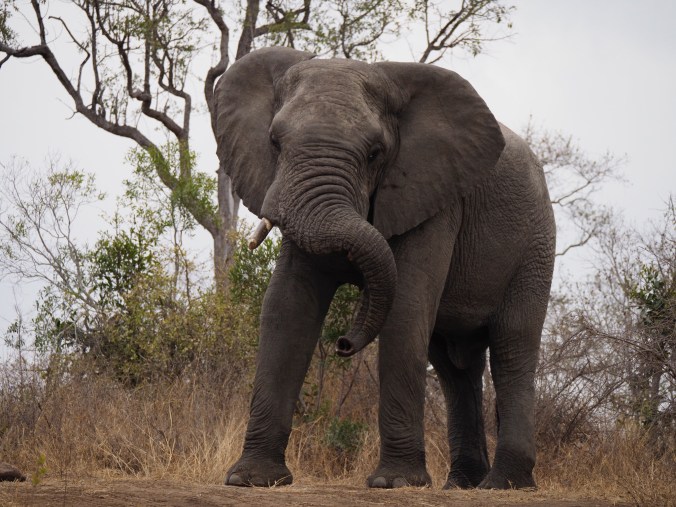
Somewhere along the way, we saw this large bull elephant. Not sure when.


No bull, August 2017

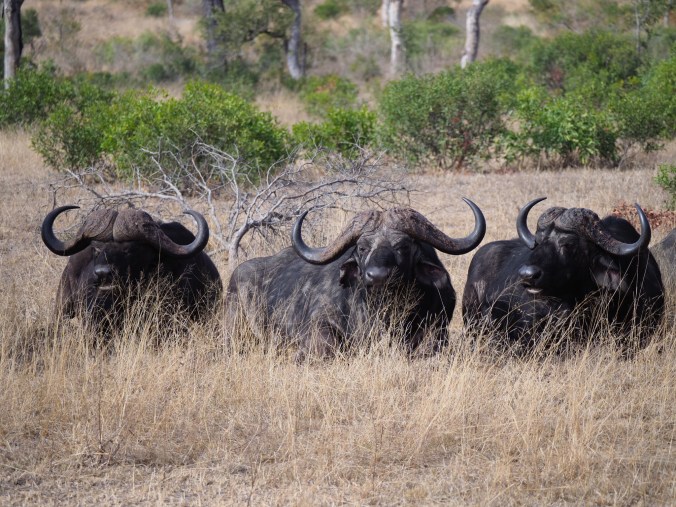
We also passed any number of other animals along the road during our drive. Here are three water buffalo resting in the grass.


The Three Amigos, August 2017

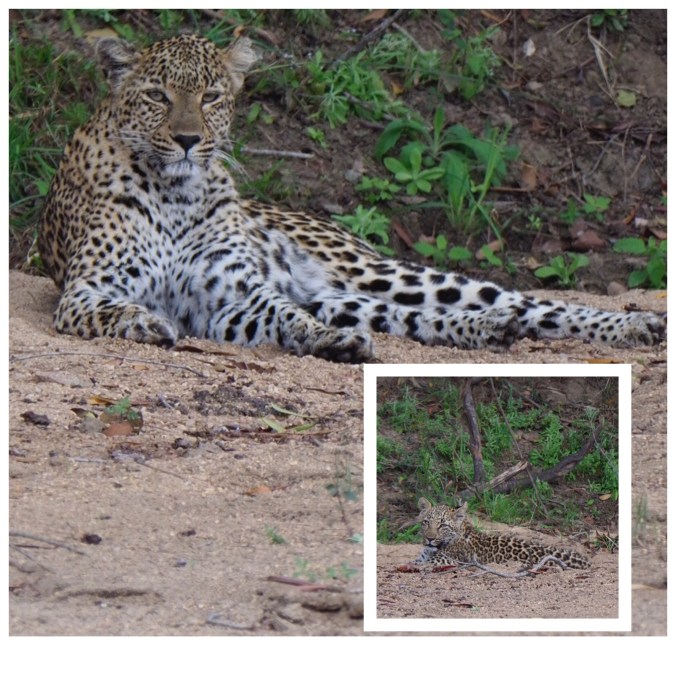
We did finally find the female leopard and her cub resting along the Sand River.


Mother leopard and cub, August 2017

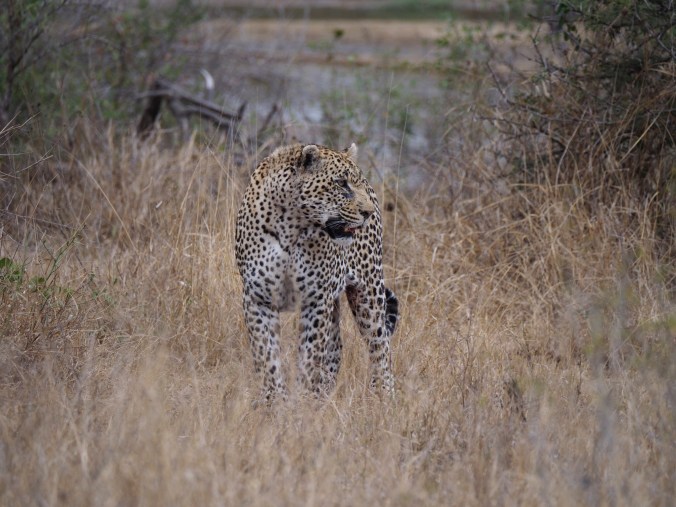
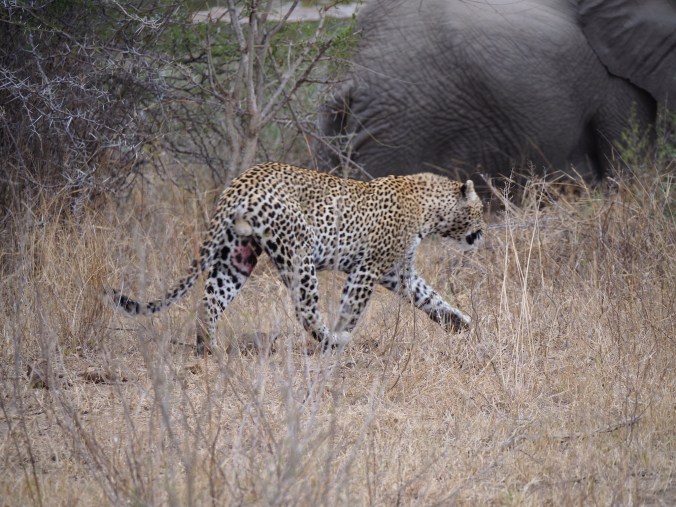
We heard over the radio that the male leopard was walking further up the river, so we headed over there to see if we could catch a glimpse. When we got there, another truck was already there, and that guide told us that the leopard was deep in the brush and not visible. We parked and waited, and he came up from the river banks and posed for us. Then he tried to attack one of the baby elephants – our favorite herd had moved up here – which resulted in a lot of bellowing and stamping as the elephants gathered all the babies inside a defensive circle that the adults made. The leopard wisely gave up; while he might have injured one of the elephants, they probably would have killed him.


Leopard pose, August 2017


Trying to find an opening, August 2017

Much later, after seeing more elephants, hippos, rhinos, lions, endless impala, and who can remember what else, we ended the day with a traditional sundowner – drinks and snacks in the bush served by our guide and tracker.

We get up at 5:30 am again tomorrow for our last abbreviated game drive here in Singita. We need to leave the lodge to drive to a small runway about 40 minutes away, where we will catch a FedAir Unscheduled Charter to Mpumalanga, and then we’ll board a South African Airways flight to Cape Town.